Polyphenylene sulphide (PPS)
Polyphenylene sulphide – it is engineering plastic retaining very good interbalanced mechanical, thermal, and chemical characteristics. Chemical name – PPS. It often replaces PEEK plastic in many areas, where good mechanical and chemical characteristics, stability of dimensions, economy, and relatively high temperature is required.
Polyphenylene sulphide – it may be produced with various additives like glass fibre or solid lubricant, as it provide this plastic with special characteristics. Plastic containing 40 % of glass fibre may be used within the interval till +230 oC. This type of plastic may replace lightweight metals.
PPS plastic is not warehoused, it is delivered only on special orders.
- It features mechanical strength, rigidity, and hardness;
- Stability of dimensions is ensured even under high temperatures (PPS with glass fibre);
- Good anti-friction characteristics;
- Non-flammable, self-extinguishing;
- Easy mechanical workability;
- Sufficiently good adhesive characteristics;
- Resistant to hydrolysis;
- Practically does not absorb water;
- Chemically resistant to fuel, lubricants, fats, methanol, alkalis, water at +100 oC, to solvents, even at high temperature;
- Features restricted chemical resistance to non-oxidising acids (depending on concentration);
- Non-resistant to salt, nitrogen acids;
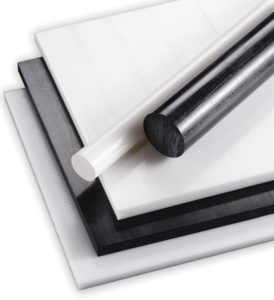
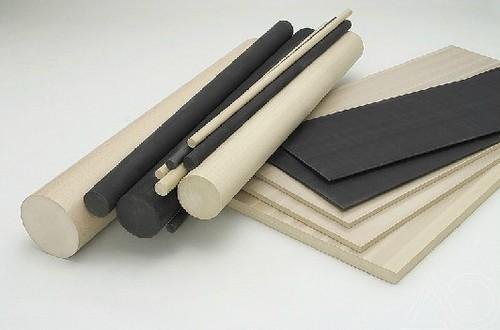
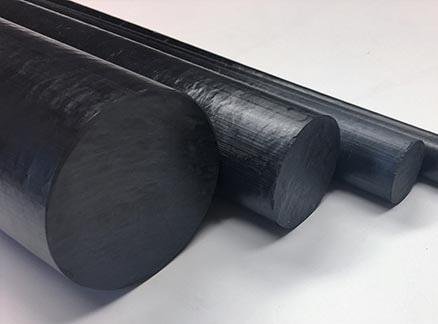
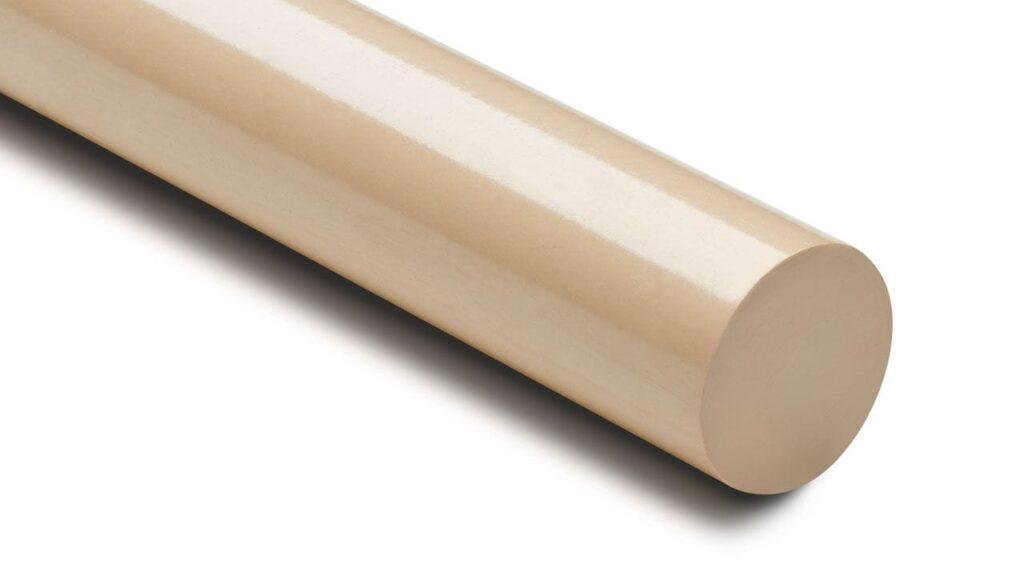
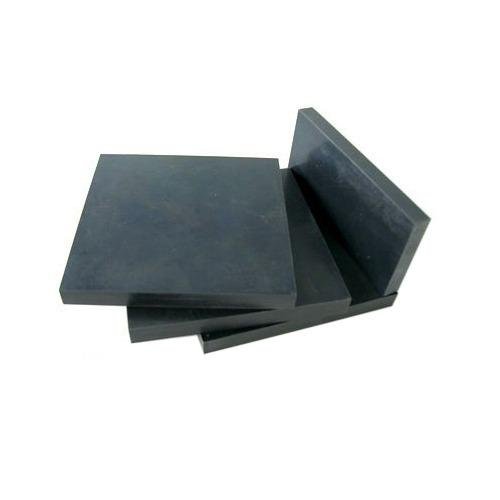
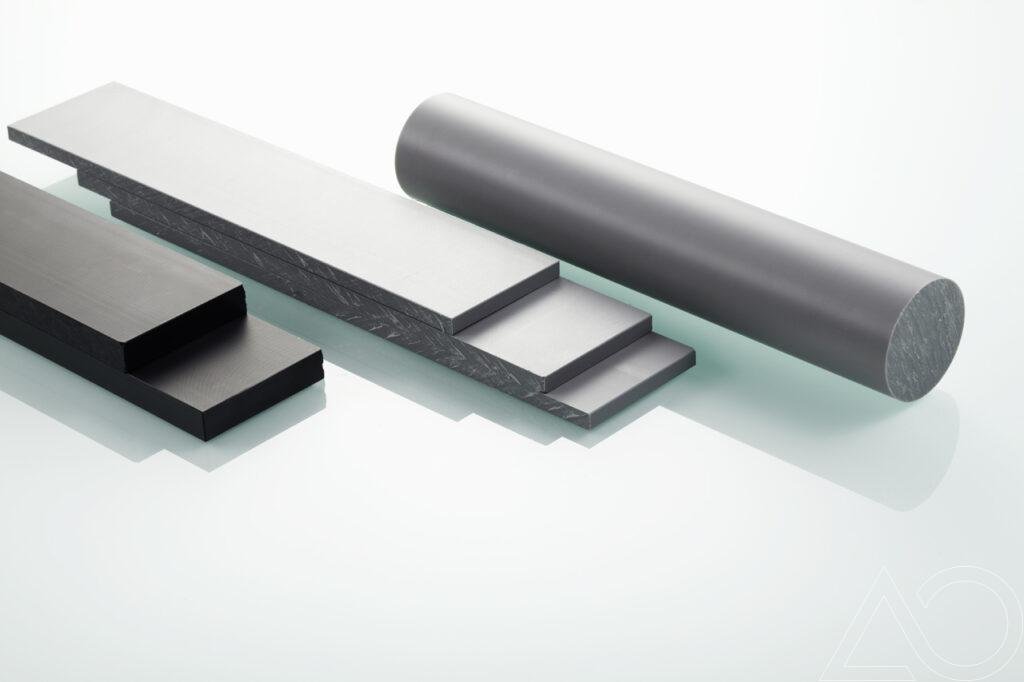
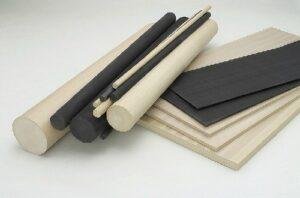
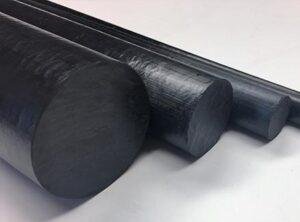
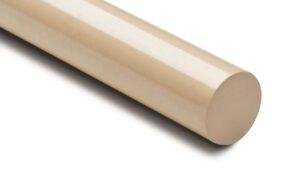
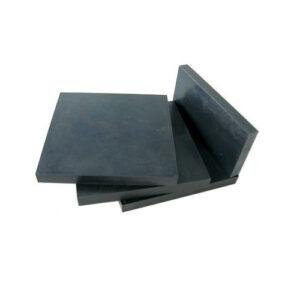
- Colour: natural (brownish) and black.
- Density: 1.35 g/cm3 (PPS);
- Density: 1.65 g/cm3 (PPS with glass fibre);
- Operating temperature: -20 oC – +220 oC;
- Short-term operating temperature: +260 oC (PPS);
- Operating temperature: 0 oC – +230 oC (PPS with glass fibre);
- Reaction to fire class: V0 (UL 94).
PPS plastic is used, where it is required to ensure stability of dimensions, even at sufficiently high temperature: for production of diagnostic devices, liquid chromatographs, thermostats, and parts of test socket electronics.
Production of wheeled motor vehicles: for production of parts for engines, fuel injection systems, carburetters, and pumps.
Industry of electrics and electronics: for production of insulators, holders of carbon brushes, plug-in adapters, rosettes, housings of reels, and other parts.
Production of structural units: pumps, water gauges, valves, parts of valves, bolts, sealing elements.
Medicinal industry: for production of sterilisation apparatuses.
| Thickness (mm) | Width (mm) | Length (mm) | Diameter, Ø (mm) | |
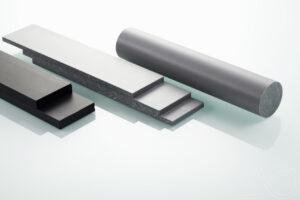
| Sheets* | 10-50 | 620 | 1000 | – |
| Rods | – | – | 1,000; 3,000 | 10-80 |
*Sheets are produced only on special orders.